Create a Wallet
Understand the wallet, address and recovery credentials first, then create or import only in a trusted environment.
Creation guide →
A multi-chain wallet, blockchain network and Web3 knowledge hub from imtoken
Manage assets across multiple networks while keeping network selection, receiving, sending, DApp connections, approvals and wallet security understandable. Before an on-chain action, review the address, network, fees and exact request rather than relying on a familiar interface alone.
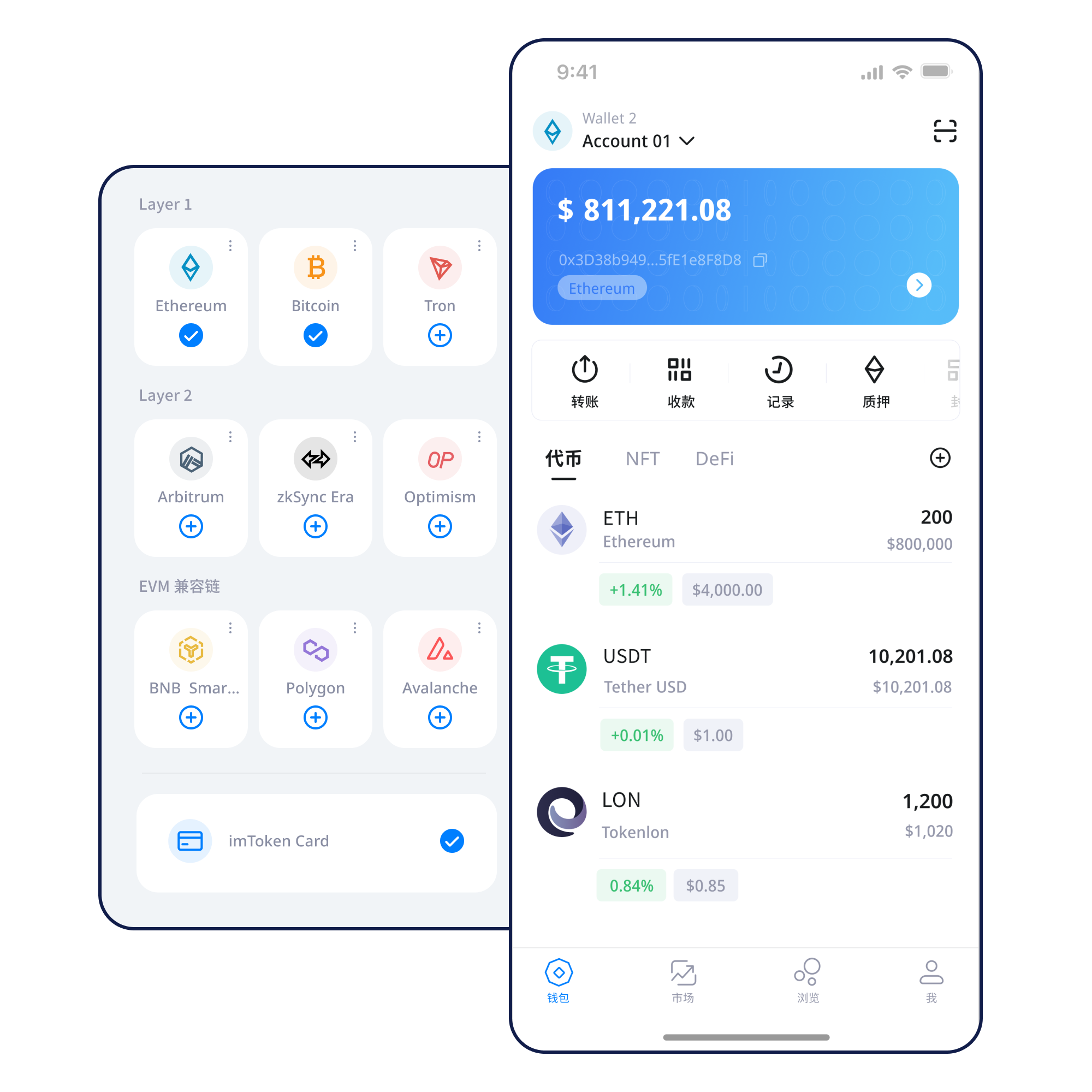
Understand the wallet, address and recovery credentials first, then create or import only in a trusted environment.
Creation guide →Keep the seed phrase offline. Do not screenshot it, upload it to cloud storage or send it to another person.
Backup principles →Share the receiving address together with the intended network and verify both before assets are sent.
Receiving checks →Review the recipient, network, asset, amount and gas before confirming, then keep the transaction hash for verification.
Transfer checklist →Verify the domain first, then treat connection, signature and token approval as separate requests that each require review.
Connection steps →A wallet can help read on-chain state and prepare requests, but the user still needs to verify networks, transfers, signatures and approvals before confirming them.
Understand which network an asset belongs to, verify addresses and contracts, and separate transaction confirmation from local display state.
Understand multi-chain use →
Review assets, switch networks, inspect transaction history and access DApps from a mobile wallet workflow.
Explore the app →Check the address, network, amount, gas and transaction hash in a consistent order.
Transfer guide →Verify the DApp domain before connecting, then review each signature or approval on its own merits.
Using imtoken Web →Keep seed phrases and private keys offline, review DApp permissions and remove approvals that no longer serve a purpose.
Security center →
A wallet can organize several networks, but each network maintains its own state. Confirm the source and destination network before moving an asset.
Multi-chain guide →
Transactions are validated by the network and included in blocks. A transaction hash provides a direct way to inspect the recorded state.
Public-chain basics →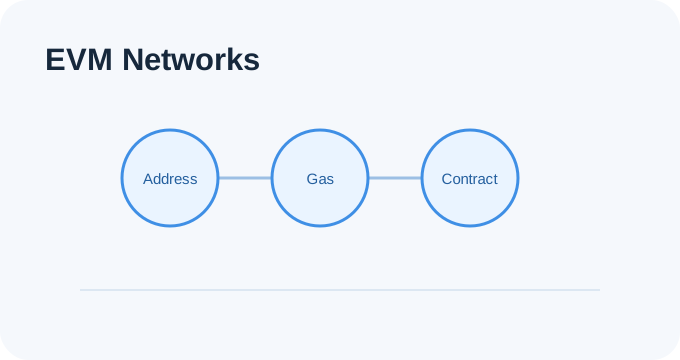
EVM-compatible networks may use the same address format while gas assets, contracts and balances remain separate.
Understand EVM networks →
Bridge direction, withdrawal mechanisms and waiting periods can differ. Verify which layer currently holds the asset and where it should arrive.
Layer 2 guide →Gas reflects resources needed to execute a request; confirmations describe what happened after the network accepted and included the transaction.
Gas & confirmation guide →Use the official download entry point and review the source before installing.
Use a trusted device and understand which recovery credentials control the wallet.
Keep the seed phrase offline and never disclose the private key to another person.
Confirm the network required by the recipient, asset, DApp or contract.
Review the address, network, amount and gas before confirming a transfer.
Inspect signatures before approving them and periodically remove permissions you no longer need.
Connecting a wallet does not mean every later request should be accepted. Each signature, transaction and approval needs its own review.
Open the Web3 guide →Keep seed phrases and private keys under your own control. imtoken staff will never ask for a seed phrase, private key or verification code. Verify the address, network and amount before a transfer; inspect the target and scope before an approval; and use extra care on public devices or networks. On-chain transactions generally cannot be reversed unilaterally by a wallet, and third-party DApps or smart contracts may introduce independent risks.
Open the security center →Start by separating wallets, addresses, seed phrases and private keys. Then learn networks, gas and transaction hashes. Before using a DApp, understand that connection, signature and approval are three distinct actions.
Read the beginner guide →Understand Ethereum PoS, validator duties, sources of protocol rewards, network state, withdrawals and exits. Staking does not guarantee returns, and rewards can change over time.
Ethereum staking guide →Use network, address, transaction hash and approval information together instead of relying on a single status label.
A similar address format does not mean assets move automatically between independent networks.
imtoken staff will not request these recovery secrets or verification codes.
Rewards may change, exits can involve waiting, and validator, contract and market risks remain.
Seed phrases and private keys should remain under the user’s own control.
Different networks maintain independent on-chain state even when address formats look similar.
It identifies a transaction so you can inspect its recorded status and confirmations on the relevant network.
No. Connection, signature and token approval are separate actions and should be reviewed independently.
No. Rewards can change and staking includes validator, exit, contract and market risks.
No. imtoken staff will never ask for a seed phrase, private key or verification code.
Understand the network, address, transaction and approval details before each on-chain action.